An in-depth look at emerging trends in botanical sourcing, from sustainable practices to new origin regions gaining prominence in the global market.
The botanical extracts market continues to grow at roughly 7–10% annually, with industry analysts placing the 2026 segment between USD 9.4 billion and USD 12.8 billion depending on category definitions [1][2]. That headline number masks a more interesting story for buyers: where material comes from, how it's documented, and who certifies the chain of custody are all shifting faster than the raw volume figures suggest.
Sustainability moves from premium claim to baseline requirement
Voluntary certifications that were positioned as differentiators five years ago — FairWild for wild-collected species, organic for cultivated material, B Corp at the company level — are increasingly treated as procurement floor by retail buyers and consumer brands. FairWild specifically, established in 2008 by the FairWild Foundation, now covers wild-harvested plants used across food, cosmetic, and supplement categories, with third-party audits requiring 2–3 day on-site assessments annually [3][4].
For buyers, this matters operationally: requesting and verifying these certificates needs to be a pre-shipment gate, not a post-arrival reconciliation. Origin partners that can produce current certificates on demand — versus chasing a renewal — become preferred suppliers.
Climate is reshaping the origin map
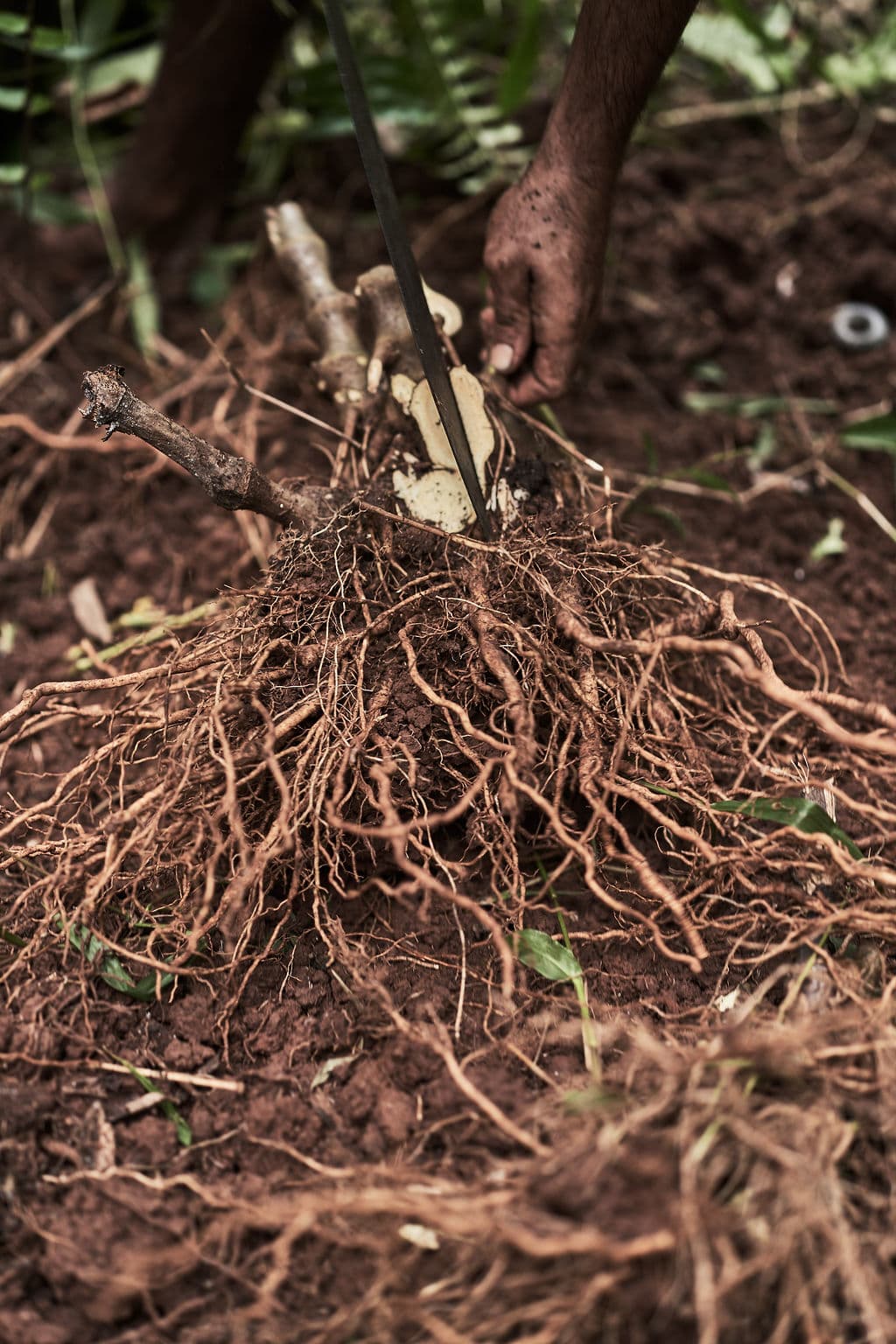
Traditional growing regions for high-value botanicals are facing measurable yield pressure from changing temperature and precipitation patterns. Kashmir and Iran, historical centers of saffron production, have seen yields decline over the past two decades as a combination of drought and urbanization shrinks viable arable land [5]. The Himalayan belt, the Qinghai–Tibet Plateau, and parts of Central Asia — home to a substantial share of the world's medicinal plant biodiversity — are facing similar pressure on traditional species ranges [5][6].
Of the medicinal plant species reviewed in recent IUCN-cross-referenced studies, a meaningful proportion fall into threatened categories, and a much larger share remain unevaluated entirely — a gap that quietly translates into sourcing risk for buyers relying on a single origin [5].
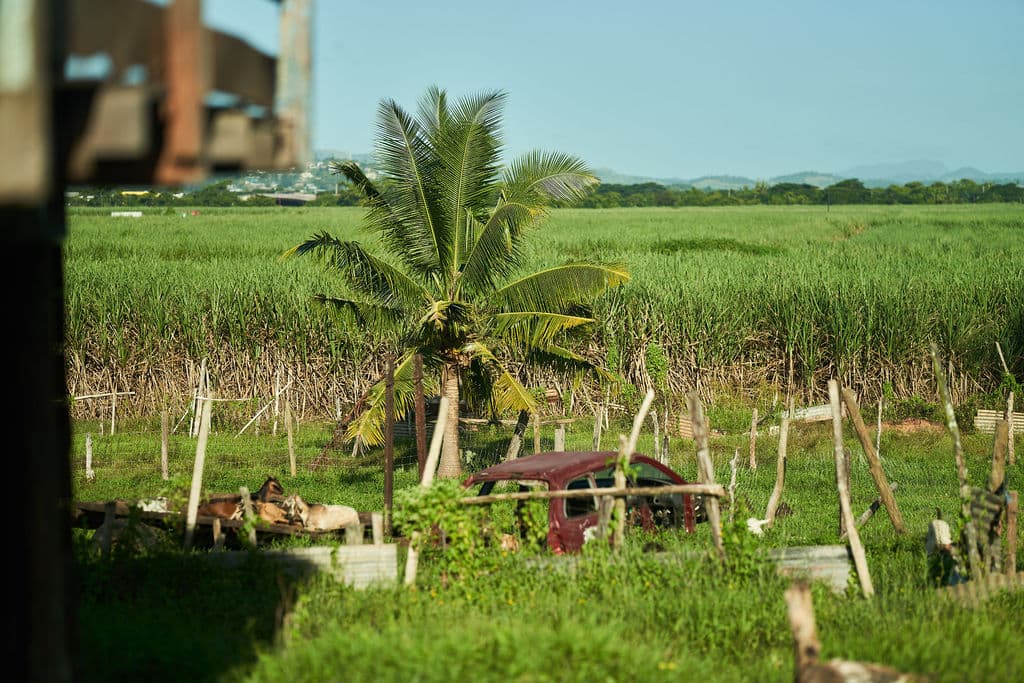
The result is a slow but accelerating diversification of origin: buyers who relied on a single region for a given material are establishing secondary lanes, often in cooler highland regions or in cultivated rather than wild-collected supply.
Documentation is becoming part of the product
For supplements, cosmetics, and food ingredients alike, the documentation accompanying a shipment is becoming as material as the shipment itself. Phytosanitary certification, certificates of analysis, identity testing, country-of-origin declarations, and — for wild-collected species — CITES paperwork where applicable are increasingly bundled as a default expectation rather than an upsell.
Buyers should treat documentation as a line item with its own service-level commitment in supplier contracts, including who pays for re-issuance when a customs query bounces something back.
What buyers should be doing in 2026
- Audit your top three suppliers' active certification statuses now, not at next renewal.
- Identify a secondary origin for every high-volume material, even at a 10–15% cost premium — single-origin exposure carries measurable downside risk.
- Build a documentation checklist by destination market and make it part of every purchase order, not an afterthought.
- Sample new origin regions before you need them — the cost of an evaluation order is trivial compared to a supply gap.
- [1]Fortune Business Insights — Plant Extracts Market Size, Share, Trends, Analysis (2024)
- [2]Technavio — Botanical Extracts Market Growth Analysis: Size and Forecast 2026–2030
- [3]FairWild Foundation — FairWild Certification
- [4]Ecocert — FairWild Sustainable Wild Collection Label
- [5]Frontiers in Pharmacology — The Impact of Climate Change on Medicinal Plants and Natural Products: A Scoping Review (2025)
- [6]IUCN — Approaches to Conservation of Medicinal Plants and Traditional Knowledge