Exploring the growing demand for adaptogenic herbs like ashwagandha, rhodiola, and holy basil in the wellness industry.
Adaptogens — botanicals marketed as helping the body resist stressors of all kinds, whether physical, chemical, or biological — have moved from naturopathic shelf to mainstream supplement category over the last five years. The category economics are real, but they're built on a narrower base of clinical evidence than the marketing often suggests, and that matters for buyers planning long-term sourcing commitments.
The market is real and growing
Adaptogen usage in the US grew approximately 17% from 2022 to 2023 as consumers sought remedies for stress and mental well-being, according to data referenced by the National Center for Complementary and Integrative Health (NCCIH) [1]. Ashwagandha specifically — the most-validated adaptogen in clinical literature — holds an outsized share of the category, with one industry analysis attributing 48% of herbal-supplement-user preference to ashwagandha-based products in 2025 [1].
The ashwagandha global market is forecast to reach approximately USD 1.75 billion by 2035 from a base around USD 692.9 million in 2024, with the strongest format growth in consumer-friendly delivery vehicles — gummies, effervescent powders, and ready-to-drink beverages — that target younger demographics seeking convenience without compromising efficacy [2][3].
What the clinical evidence actually says
Of the three big adaptogens commonly named together — ashwagandha, rhodiola, and holy basil — only ashwagandha has accumulated a substantial body of randomised, placebo-controlled trials in humans. Per the NCCIH literature review: research shows that some ashwagandha preparations may be effective for insomnia and stress; however, evidence is unclear about its effects on anxiety, and there isn't enough evidence to determine if ashwagandha is helpful for other health conditions, including asthma, athletic performance, cognitive function, diabetes, menopause, and female infertility [4].
Clinical trials with standardised ashwagandha extracts have shown reductions in stress-related biomarkers (including cortisol), along with improvements in some sleep and mood parameters [5]. The keyword is "standardised" — the clinical literature tests specific extract concentrations and dosages, and consumer products vary widely.
For rhodiola and holy basil, the evidence base is thinner and more preliminary. Both have traditional-use history and a growing trial literature, but neither has the depth of human RCT evidence ashwagandha has accumulated.
Sourcing implications for buyers
For brands building product lines around adaptogens, three sourcing considerations are worth taking seriously:
1. Standardisation matters as a quality lever
Standardised extracts — those with documented active-compound percentages (e.g. ashwagandha standardised to 5% withanolides) — command price premiums, but the clinical evidence supporting category claims relates specifically to standardised forms. Buying "ashwagandha powder" without standardisation may save 30–50% on input cost while quietly undermining label claims tied to the published evidence.
2. Origin concentration creates supply risk
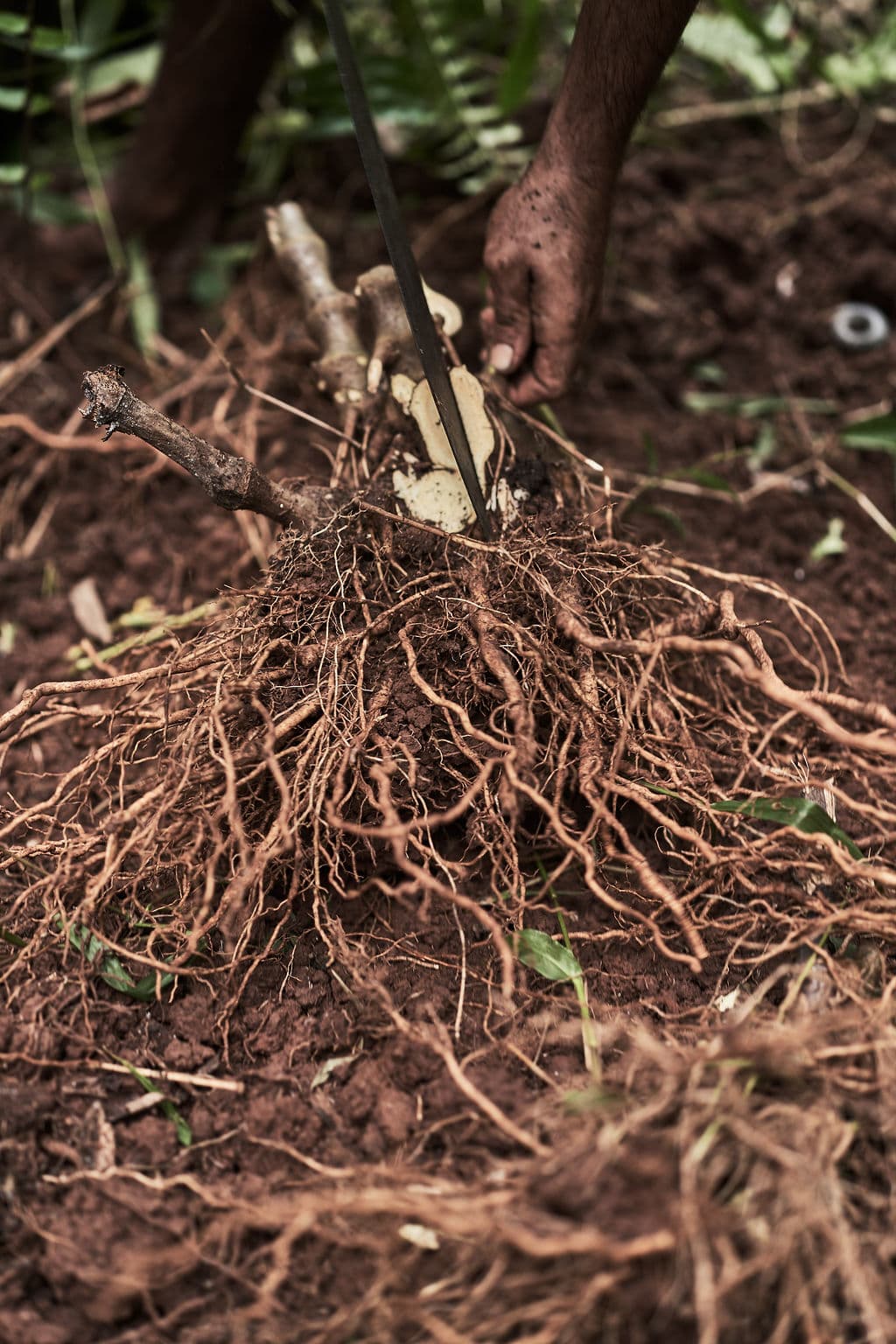
Ashwagandha is concentrated in Indian cultivation; rhodiola in cold-climate regions including Russia and Scandinavia (with supply complicated by geopolitical factors); holy basil largely in India and Thailand. Single-origin exposure is the norm in this category, and harvest-cycle variability creates real price swings — a sourcing pattern more like a commodity crop than a fungible industrial input.
3. Adulteration is a documented problem
High-demand botanicals attract substitution and adulteration. Identity testing (HPTLC, HPLC, or DNA-based depending on the material) at receipt is not optional for adaptogens at commercial scale — it's the only way to detect substitution before it reaches your product.
Where the category goes next
The format evolution — from capsules and powders into beverages, gummies, and functional foods — is broadening the category beyond traditional supplement buyers. That expansion is real growth, but it also means brands need to think harder about cost-in-formulation: the dose levels supported by clinical evidence may be uneconomic in a beverage, leading to "fairy dust" formulations that may meet legal labelling rules but don't deliver the documented effects.
For serious operators in the category, the simplest discipline is also the most important: source standardised extracts from suppliers who can produce identity testing and active-compound certificates of analysis on every lot, and formulate at dose levels the published research actually supports.
- [1]Nutritional Outlook — Adaptogen market stronger with clinical research
- [2]Emergen Research — Ashwagandha Market Size, Growth Drivers, Trends 2025–2034
- [3]SNS Insider — Ashwagandha Market Set to Surpass USD 1.75 Billion by 2035 (March 2026)
- [4]NCCIH (NIH) — Ashwagandha: Usefulness and Safety
- [5]Cureus / PubMed — Adaptogenic and Anxiolytic Effects of Ashwagandha Root Extract in Healthy Adults: A Double-blind, Randomized, Placebo-controlled Clinical Study